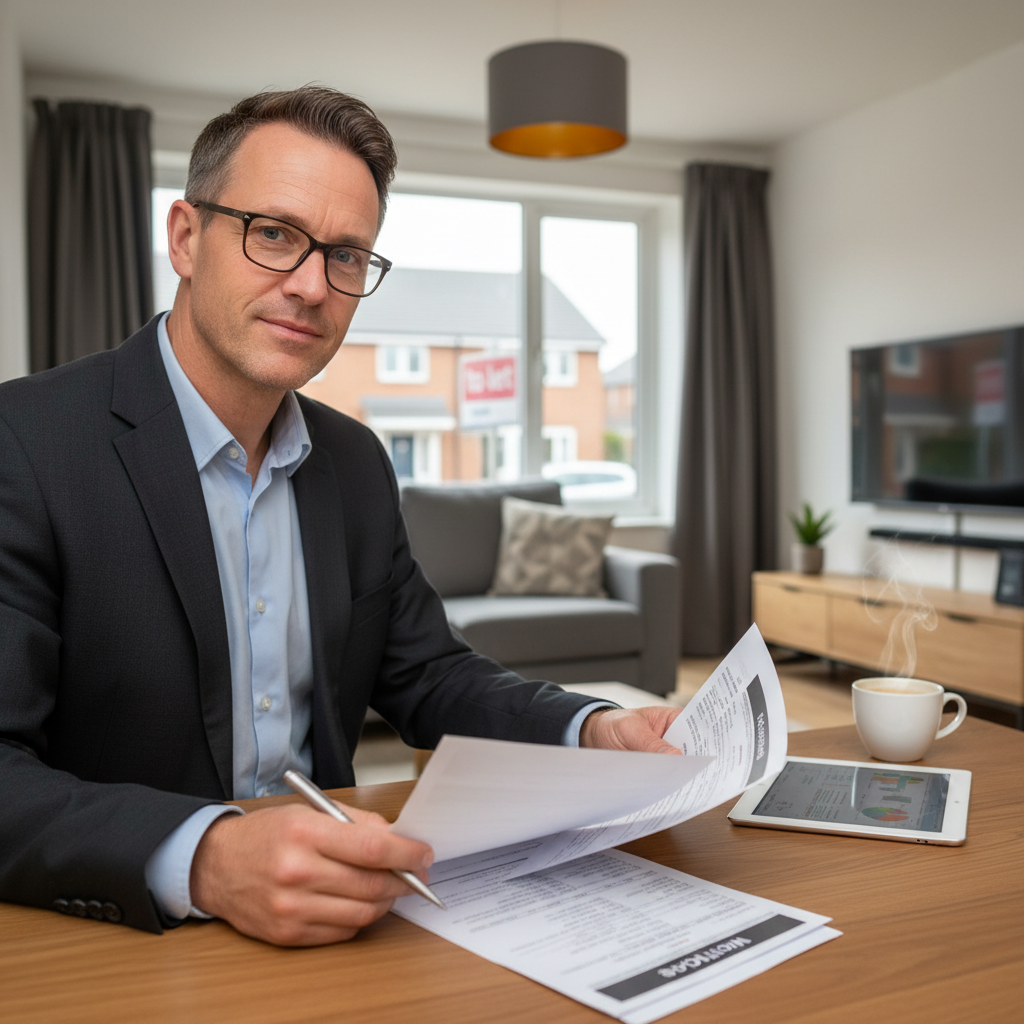
Understanding Your Buy-to-Let Mortgage Decline
Receiving a 'declined' notification for your buy-to-let (BTL) mortgage application can be disheartening, especially for first-time landlords. It’s crucial to understand that this is not necessarily the end of your property investment journey. This guide will help you navigate the reasons behind a BTL mortgage decline and outline the practical steps you can take next.
Common Reasons for BTL Mortgage Declines
Lenders have specific criteria for BTL mortgages, which often differ significantly from residential mortgages. Understanding these can help you identify why your application might have been rejected:
- Affordability & Rental Income Shortfall: Lenders assess the potential rental income against the mortgage payment. A common rule of thumb is that the rental income should be at least 125-135% of the monthly mortgage interest payment (based on a stressed interest rate, often 2-3% higher than the payrate). If your projected rent doesn't meet this, the application may be declined.
- Deposit Size and Source: BTL mortgages typically require a larger deposit than residential ones, often 25% or more of the property value. Lenders also scrutinise the source of your deposit. Gifts from family are usually acceptable, but unexplained large sums or funds from unsecured loans can be problematic.
- Credit Score Issues: While BTL applications focus heavily on the property and income, a poor credit history can still be a stumbling block. Lenders will check your credit file for defaults, CCJs (County Court Judgments), or a history of missed payments, even on residential mortgages or credit cards.
- Property Specifics: Not all properties are suitable for BTL lending. Lenders may decline applications for properties in poor condition, unusual builds (e.g., those built with non-standard materials or requiring specialist insurance), or properties with limited market appeal. Some lenders also have restrictions on flats versus houses, or properties with less than a certain number of bedrooms.
- Guarantor/Second Charge Mortgages: If you have existing debts or a complex financial situation, you might be asked to provide a guarantor or consider a second charge mortgage. Not all lenders offer these options, and their criteria can be stringent.
- Landlord Experience: Some specialist lenders, particularly those on the higher loan-to-value (LTV) products, may require applicants to have prior landlord experience. First-time landlords might find themselves restricted to lenders with more accessible criteria.
- Lender's Specific Criteria: Each lender has its own unique underwriting policies. For example, some might have maximum age limits for the borrower, minimum income requirements outside of rental income, or restrictions on lending to limited companies versus individuals.
What To Do If Your BTL Mortgage Was Declined
Don't be discouraged. A declined application simply means that specific lender's criteria were not met at that time. Here’s a structured approach to moving forward:
1. Understand the Reason for Decline
- Request Feedback: Politely ask the lender or your mortgage broker for the specific reason(s) why your application was declined. While they may not always provide exhaustive detail due to lending policies, understanding the core issue is vital.
- Review Lender Criteria: If you know which lender declined you, research their BTL mortgage criteria online. This will help you pinpoint the exact area where your application fell short.
2. Address the Issues
- Rental Income: Ensure your projected rental income is realistic and meets the lender's required coverage ratio (e.g., 125-135% of the mortgage payment at the stressed rate). If you've overestimated, revise your figures. Consider if a slight reduction in your borrowing or an increase in your deposit could make the figures work.
- Deposit: If your deposit was insufficient, explore options for increasing it. This might involve saving more, seeking financial help from family (ensure it's a documented gift), or considering a less expensive property.
- Credit File: Obtain copies of your credit reports from the main UK agencies (Experian, Equifax, TransUnion). Check for any errors and dispute them. Settle any outstanding debts or defaults if possible.
- Property Suitability: If the property itself was the issue, you may need to reconsider your purchase. Investigate alternative properties that better align with BTL lending criteria.
- Borrower Circumstances: If your age, income, or experience was the problem, you might need to consider lenders who specialise in these areas or improve your profile where possible (e.g., gaining experience on a smaller portfolio).
3. Seek Specialist Broker Advice
- Whole of Market Access: A specialist BTL mortgage broker has access to a much wider range of lenders and products than you might find on the high street. They understand the nuances of different lenders' criteria and can match your circumstances to the most suitable options.
- Navigating Complexities: For first-time landlords, navigating the BTL market can be complex. A broker can provide expert guidance, help you avoid making further applications that are likely to be declined, and potentially find solutions you hadn't considered.
4. Consider Alternative Lenders
- Specialist Lenders: Beyond high-street banks, there are many specialist BTL lenders, some of whom cater specifically to first-time landlords or those with less conventional circumstances.
- Expat or Portfolio Landlords: If you are an expat or have a complex portfolio, specialist brokers are essential.
Illustrative Example: Rental Coverage Shortfall
Imagine you're applying for a £200,000 BTL mortgage.
- The lender requires rental income to be 130% of the mortgage payment, calculated at a stressed interest rate of 7%.
- Your estimated monthly mortgage payment at 7% interest is £1,330 (£200,000 * 0.07 / 12).
- To meet the lender's criteria, your monthly rental income needs to be at least £1,729 (£1,330 * 1.30).
If you can only achieve a rent of £1,500 per month, your application would likely be declined on affordability grounds by this specific lender. In this scenario, you might: a) Increase your deposit to lower the mortgage amount. b) Try to secure a higher rent (if feasible). c) Look for a property with a better purchase price/rent ratio. d) Approach a lender with a lower coverage requirement (e.g., 125%).
Frequently asked questions
Q1: Can I re-apply for a BTL mortgage immediately after a decline?
A1: While you can technically re-apply, it's not advisable without understanding and addressing the reasons for the initial decline. Making multiple unsuccessful applications in a short period can negatively impact your credit score.
Q2: How long does it take to get a BTL mortgage approved?
A2: The timeframe can vary significantly, typically ranging from 4 to 12 weeks from full application to completion. Factors include the lender's efficiency, the complexity of your application, and the speed of responses from solicitors and valuers.
Q3: What are the typical fees involved in a BTL mortgage?
A3: Common fees include arrangement fees (often a percentage of the loan amount), valuation fees, legal fees, and potentially broker fees. These can add several thousand pounds to the upfront costs.
This article is for information only and does not constitute financial advice — speak to a qualified BTL mortgage adviser before making decisions.