The Decision That Shapes Everything: Investment or Impulse?
The single factor that separates successful first-time buy-to-let landlords from those who struggle is simple: treating the property as a business from day one, not as a personal project. Every decision — from the colour of the walls to when you chase a late payment — needs to follow business logic, not personal preference. Aldermore, a specialist lender with a dedicated buy-to-let mortgage range, sets out 10 areas where that discipline either holds or breaks down.
When the Property Choice Makes Sense
Start with the tenant, not the property. Different renter types — students, young professionals, families, corporate tenants — need fundamentally different things, and a property that suits one group will actively deter another. Families will pay a premium to be near a good school and will want outside space and open-plan living. Young professionals may accept no garden, but a roof terrace or balcony changes the appeal immediately.
University towns and cities are established hotspots for buy-to-let demand, driven by the growing number of people entering further education. Registering with a university's housing services increases the likelihood of consistent occupancy each term. Proximity to major employers, shops and transport links also strengthens rental demand. On the other side, properties close to nightclubs, busy junctions or fast-food outlets carry a tenant-satisfaction risk that shows up in voids and complaints.
One practical point on location: the temptation to buy near where you live is understandable, but the local market may not support sufficient tenant demand. Going further afield often opens better options.
When the Financial Structure Makes Sense
Mortgages and Running Costs
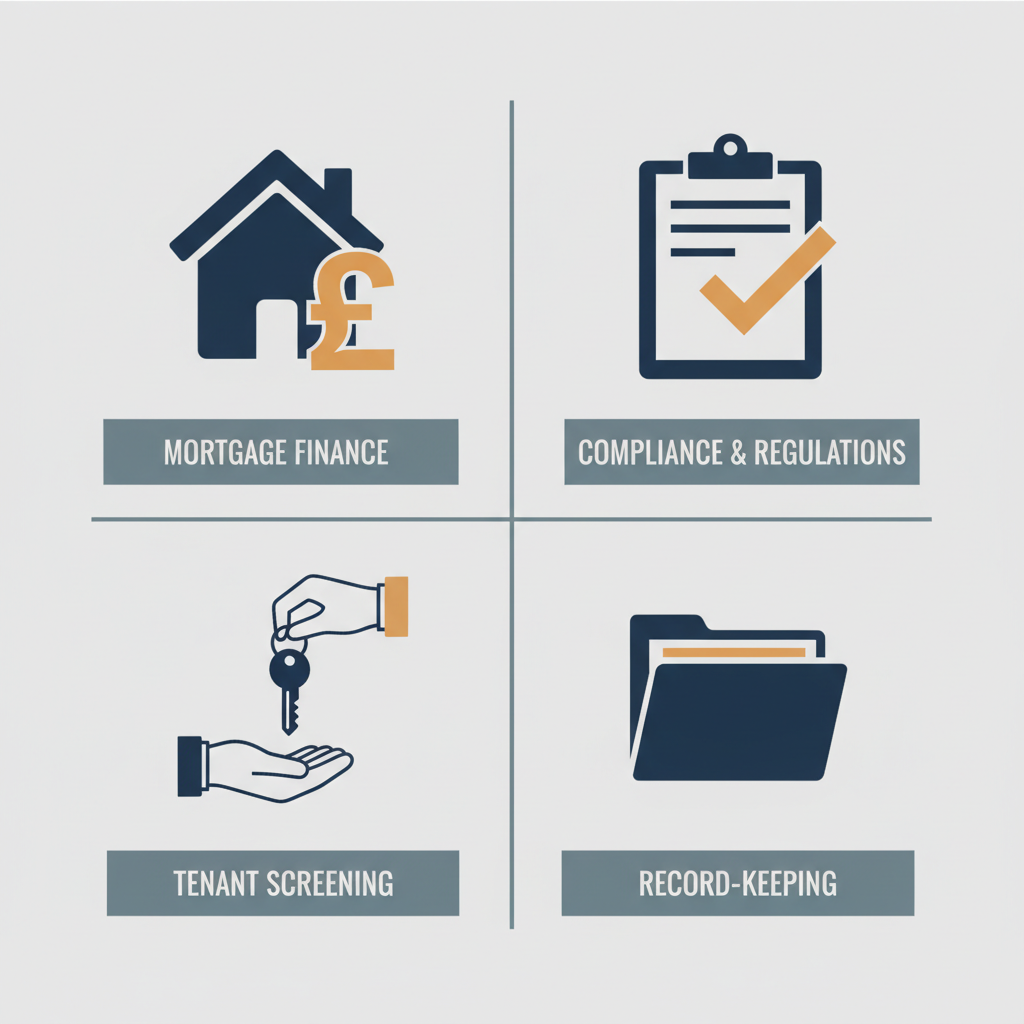
Unless you are a cash buyer, a buy-to-let mortgage is the core financial instrument. The fundamental test is whether the rent you charge will cover your mortgage payments. You also need to decide between interest-only and capital repayment, and between fixed and variable rates — each combination changes your monthly exposure and your long-term equity position.
Beyond the mortgage, the costs that new landlords most often underestimate include valuation and application fees, surveyor costs, conveyancing fees and stamp duty. None of these are optional. Missing them from your pre-purchase calculations produces a cash shortfall before the first tenant moves in.
Furnished vs Unfurnished
There is no rule requiring a property to be let furnished or unfurnished. For student lets, furnished is the practical default — and the furniture needs to be affordable and robust enough to withstand hard use. For longer-term lets, unfurnished can be more attractive: tenants bring their own possessions and often feel more settled as a result. A part-furnished middle ground is also viable and, according to Aldermore, opens the rental to a wider market — something letting agents appreciate because it makes the property easier to place.
The Calculation That Decides It: Compliance Cost vs Fine Risk
Over 100 regulations apply to residential landlords in the UK. That number alone justifies a structured approach to compliance before any tenant moves in.
When an Agent Makes Sense
A letting agent handles marketing, tenancy arrangements, rent collection and tenant queries. They also manage maintenance and repairs, and — critically — they have established strategies for dealing with late-paying tenants. If you do not live near the property, lack a reliable network of tradespeople, or are short on time, an agent is the lower-risk route for a first buy-to-let.
When Going It Alone Makes Sense
Self-managing saves on agent fees and gives you direct control from day one. Many landlords manage their portfolios without agents effectively. The requirement is that you are assertive about rent collection from the outset. Aldermore is direct on this: it is surprisingly common for landlords to let rent arrears build. If a tenant stops paying and ignores contact, eviction proceedings need to start promptly. Allowing six months of late payments to accumulate while you have a mortgage to service creates a lender problem as well as a cash flow one.
Protecting Yourself Before the Tenancy Starts
Before a tenant moves in, run a credit check and verify employment status, salary and identity. Collect references from previous landlords where possible. Never rely on a first impression or a tenant's unverified account of their circumstances.
The legal checklist before letting includes insurance, a gas safety certificate, a deposit protection scheme and working smoke and carbon monoxide alarms. These are not discretionary. Full details of the regulatory requirements are available on the government website.
Record-Keeping as Risk Management
Keep records of everything — receipts, warranties, manuals, legally required certificates. Start with a detailed inventory when the tenant moves in. A complete paper trail matters both for the annual tax return (whether you complete it yourself or use an accountant) and for any dispute with a tenant. Aldermore's guidance here is practical: little and often beats a backlog. Set aside regular time each week rather than letting paperwork accumulate.
The Emotional Discipline
The final point is the one most frequently ignored. A buy-to-let property is not your home. Decorating and furnishing choices should be driven by what attracts tenants, not by personal taste. High-end appliances do little to increase rental value and come with high repair costs when they fail. Neutral walls — white or magnolia — are a reliable default. When choosing flooring, factor in cleaning practicality and replacement cost, not aesthetics.
Specialist buy-to-let mortgage brokers can help first-time landlords understand the full range of mortgage options, including the different considerations that apply to limited company structures.